Christmas Bear and Reindeer Caroling: A Designer’s Review of Seasonal Illustrations
When a client approaches me with a request for holiday marketing visuals, the stakes are always high. They aren’t just looking for "cute pictures"; they need assets that communicate warmth, nostalgia, and brand trust while driving engagement. Recently, I was evaluating a specific design asset titled Christmas Bear and Reindeer Caroling to determine if it would be suitable for a boutique handmade brand’s upcoming seasonal campaign. As an experienced graphic designer who works daily with branding, packaging, and digital ads, I don’t just look at how pretty an image is—I analyze its versatility, scalability, and commercial viability.
This review breaks down exactly how this illustration performs in real-world design scenarios, offering practical insights for other designers, small business owners, and content creators who need reliable design assets for their projects.
First Impressions: Mood and Visual Style
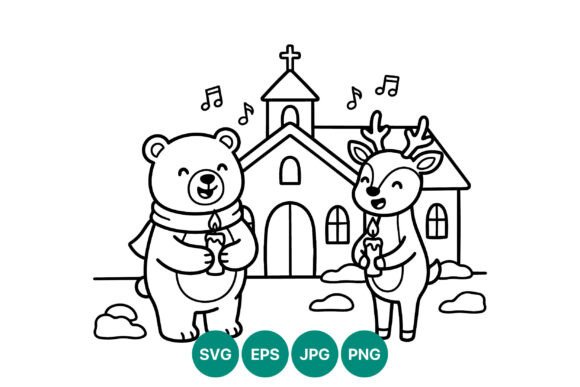
The moment you load the Christmas Bear and Reindeer Caroling file, the visual hierarchy is immediately clear. The style leans heavily into cozy, whimsical aesthetics that are currently dominating the creative marketplace. It isn’t trying to be ultra-modern or minimalist; instead, it embraces a hand-drawn, storybook quality that feels authentic and inviting.
For a brand identity focused on handmade business values, this asset hits the right emotional notes. The characters are expressive without being cartoonish, which allows them to work across various mediums—from packaging design to social media graphics. The composition suggests movement and community, key themes for holiday campaigns. However, because the style is detailed, it requires careful placement. If your brand relies on clean lines and stark minimalism, this might feel too busy. But for brands aiming for emotional appeal and high audience engagement, it is a strong contender.
Real-World Application in Client Projects
I tested this asset against several common project types to see where it truly shines. Here is how it performed in practical design situations:
- Packaging Design and Product Labels: This is perhaps the strongest use case. The illustration has enough detail to stand alone on a gift box or jar label but also serves as a beautiful decorative accent. When paired with a sturdy kraft paper texture, it elevates the perceived value of a digital product or physical good.
- Social Media Graphics and Pinterest Pins: For marketing visuals, the colorful and engaging nature of the bear and reindeer pair draws the eye. In a crowded feed, this type of illustration stops the scroll better than generic stock photography. It works exceptionally well for Instagram posts promoting limited-edition holiday drops.
- Print-on-Demand and Merchandise: I previewed this asset on t-shirt designs and tote bags. The central focus of the characters translates well to apparel. However, for sublimation design on mugs or complex backgrounds, you must ensure the resolution is high enough to prevent pixelation when scaled up.
- Cricut Projects and Sticker Designs: For crafters using cutting machines, the vector-friendly nature (if available as SVG) is crucial. The distinct shapes allow for clean cuts, making it ideal for creating vinyl decals, window clings, or sticker design sheets for Etsy shops.
Strategic Placement: Where It Works Best
In my workflow, I rarely place complex illustrations like Christmas Bear and Reindeer Caroling in isolation without considering the surrounding layout. It performs best in large layout areas where it can breathe. Think of hero graphics on a website landing page or as the focal point of a flyer. It also acts as a powerful supporting brand element in themed collections, helping to unify a series of products under a single visual narrative.
Conversely, there are places where this asset should be used with extreme caution. In logo design or small-scale applications, the details may get lost. If you are designing a favicon or a tiny icon, this level of detail becomes muddy. Similarly, in crowded layouts with heavy text overlays, the illustration can compete for attention rather than complement it. Avoid placing it on low-contrast backgrounds or within complex patterns, as this will destroy the visual hierarchy and make the design look cluttered and unprofessional.
Technical Considerations for Professional Use
Before incorporating any graphic design asset into a client deliverable, rigorous testing is non-negotiable. Here are the specific checks I recommend for this particular illustration:
- Black and White Test: Convert the asset to grayscale. Does it still hold its shape? If the design relies entirely on color to define the characters, it may lack the structural integrity needed for monochrome applications like embossing or single-color printing.
- Contrast Check: Preview the asset on both light and dark backgrounds. Ensure the outlines and colors pop sufficiently. If the background is dark, you may need to add a subtle drop shadow or stroke to maintain visibility.
- Scalability and Format Inspection: Always inspect the PNG transparency if included. More importantly, check if an SVG or vector version is available. Vector files allow you to resize the Christmas Bear and Reindeer Caroling asset infinitely without losing quality, which is essential for large-format prints like banners or posters.
- Typography Pairing: Experiment with different font styles. This illustration pairs well with script font or handwritten font styles to enhance the cozy, personal vibe. It can also work with a classic serif font for a more traditional holiday feel. Avoid pairing it with rigid sans serif font styles unless you are going for a deliberate contrast effect, and steer clear of overly decorative display font styles that might clash with the character details.
- Mockup Validation: Never trust the flat file. Place the asset on real product mockups. See how it looks on a coffee mug, a greeting card, or a website header. This step reveals issues with scale and context that are invisible on a blank canvas.
Readability, Trust, and Brand Consistency
Aesthetic appeal is only half the battle; functionality is the other. Using a high-quality commercial design asset like this one directly impacts brand consistency. When a customer sees consistent, polished imagery across your Etsy product listings, email newsletters, and social media, it builds visual trust. It signals that the brand is professional and attentive to detail.
Furthermore, the emotional resonance of the bear and reindeer caroling theme can significantly boost audience engagement. People share content that makes them feel good. By using this asset, you are leveraging nostalgia and holiday cheer to create a positive association with your brand. However, professionalism must be maintained by ensuring the asset is integrated thoughtfully, not just slapped onto every piece of collateral. Balance is key.
Final Verdict: Is It Worth the Investment?
After reviewing the technical specs, aesthetic qualities, and potential use cases, Christmas Bear and Reindeer Caroling emerges as a versatile and valuable addition to any designer’s toolkit. It is particularly well-suited for small business branding, printable wall art, and festive editorial design.
However, remember to confirm the commercial license before using it for a client or business project. Ensure you understand the terms regarding resale and distribution. If the licensing allows for broad commercial use, this asset offers excellent ROI due to its adaptability across multiple formats, from web design to physical merchandise.
For designers seeking to add a touch of whimsy and warmth to their seasonal campaign visuals, this illustration delivers. It is not just a picture; it is a strategic tool that, when used correctly, can elevate the entire perception of a brand during the most competitive time of the year. Just remember to test, scale, and integrate with intention.