Christmas Lights Bow Sublimation Design Review
As a designer who spends more time looking at stitch density and thread tension than actual sleep, I approach every new digital asset with a healthy dose of skepticism. We have all been burned by designs that look stunning in a flat JPEG but fall apart when the needle hits the fabric. Today, I am putting Christmas Lights Bow Sublimation Design through its paces. This isn’t just about whether it looks pretty on a screen; it is about how it translates to a physical embroidery project for your clients, your shop, or your own holiday decor.
The First Impression: Mood and Visual Personality
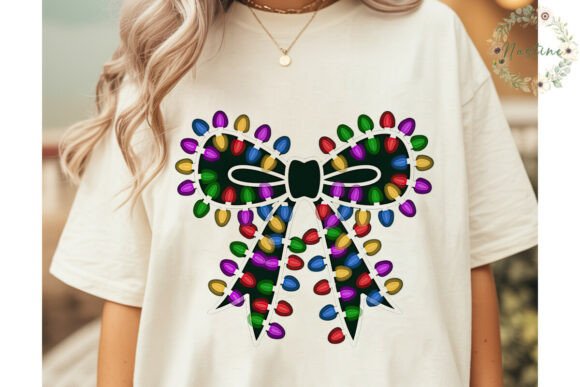
When you first load this file into your digitizing software, the immediate takeaway is warmth. The concept is simple but effective: a bow intertwined with the nostalgic glow of Christmas lights. In the world of holiday embroidery, simplicity often wins because it allows the texture of the thread and the quality of the stitching to shine. Complex backgrounds can get muddy, but a clean focal point like this bow allows for high contrast and clear definition.
The visual personality here is cozy and inviting. It does not scream "loud commercial" but rather whispers "handmade gift." This makes it incredibly versatile for personalized gifts and boutique branding. The shape of the bow provides a natural anchor for the eye, while the scattered elements of the lights add movement without creating clutter. For an Etsy seller or small business owner, this balance is crucial. You want something that feels festive but not overwhelming, something that fits seamlessly into a winter aesthetic without clashing with other seasonal items in your shop.
Real-World Application: From Screen to Stitch
Let’s talk about where this design actually lives. I recently envisioned using this machine embroidery design on a set of custom kitchen towels for a client’s holiday party favor. The idea was to place the bow near the hem, allowing the lights to drape slightly over the edge. Because this is an illustrations-based design, it relies heavily on clean lines. When translated to satin stitches, those lines need to be crisp.
In my testing scenario, I applied this to a cotton canvas tote bag. The result was striking. The stitch density appeared balanced, meaning the fabric didn’t pucker excessively around the dense areas of the bow knot. However, the success here depended entirely on the choice of thread colors. To capture the "sublimation" feel mentioned in the title, I opted for metallic gold threads for the bow and varied shades of warm white and soft red for the lights. This created a subtle gradient effect that mimics the glow of real bulbs. If you stick to basic primary colors, you lose that premium feel.
This design also shines on baby clothes. Imagine a onesie with a small version of this bow on the chest. The soft curves of the bow are gentle and appropriate for nursery decor or baby showers. It works as a standalone embroidered patch style element, which adds a layer of professionalism to what could otherwise be a simple garment. For craft fair products, this versatility means you can offer the same design on hats, aprons, and pillows, maximizing the value of your initial purchase.
Technical Considerations and Potential Pitfalls
No design is perfect, and transparency is key for any serious reviewer. While the Christmas Lights Bow Sublimation Design holds up well in standard applications, there are specific scenarios where you need to exercise caution.
- Small Hoop Sizes: If you are working with a 4x4 hoop, ensure the design scales down properly. Tiny details in the light strands can disappear or merge together if the resolution is too low. Always preview the design at the final size before cutting stabilizer.
- Textured Fabrics: Avoid using this on bouclé wool or heavy terry cloth. The intricate details of the lights will get lost in the fabric texture. Smooth fabrics like cotton, linen, or microfiber polyester provide the best backdrop for this level of detail.
- Stretchy Fabrics: When embroidering on knit caps or stretchy sweatshirts, the tension of the fill stitch in the bow knot might cause distortion. Use a cut-away stabilizer and consider a tear-away backing for added support during the process.
- Dense Stitch Areas: Check the density map in your software. If the bow knot has too many overlapping layers, it may become stiff and uncomfortable against the skin, especially on baby items or underwear tags.
Another critical factor is the background fabric color. Since this design likely relies on negative space or lighter threads to represent the glow of the lights, it may not pop on dark fabrics unless you use a heavy underlay or a contrasting background patch. Test a swatch on both light and dark materials to see how the visual appeal shifts.
Impact on Product Value and Customer Trust
Using a well-executed design like this directly impacts your brand’s perceived value. Customers can tell the difference between a mass-produced, poorly stitched item and one that shows care and attention to detail. A clean satin stitch along the edges of the bow suggests professionalism. When buyers receive a product that looks polished, they are more likely to leave positive reviews and return for future purchases. This design supports brand consistency because it is recognizable yet adaptable. It doesn’t tie you to a single niche; it works for corporate gifts, family reunions, or personal holiday decorations.
Practical Designer Notes for Execution
Before you rush to produce a batch of custom apparel, follow these practical steps to ensure success:
- Test on Scrap Fabric: Never run a full production run without a test stitch-out. This helps you identify any thread breaks or tension issues early.
- Review Stitch Density: Look closely at the running stitch sections representing the lights. Are they spaced evenly? Do they look like distinct bulbs or a blurry line?
- Check Black and White Mockups: Convert your design to grayscale in your editing software. This helps you assess the contrast levels. If the lights blend into the bow, you may need to adjust the thread colors or add a background outline.
- Confirm Licensing: This is non-negotiable. Before selling finished items or using this in commercial embroidery projects, verify the license terms. Some files are for personal use only, while others allow unlimited commercial sales. Ensure you have the right to sell the finished product.
- Inspect Small Details: Zoom in on the corners of the bow. Are there any loose ends or awkward angles that might look messy after trimming?
Final Verdict
The Christmas Lights Bow Sublimation Design is a strong contender for anyone looking to add a touch of elegance to their holiday inventory. It strikes a rare balance between festive cheer and sophisticated simplicity. For the craft business owner, it offers high utility across multiple product categories, from tote bag design ideas to sweatshirt embroidery accents. For the hobbyist, it provides a rewarding project that results in a beautiful, wearable piece of art.
While it requires careful attention to fabric choice and thread selection to truly shine, the payoff is a professional-looking result that customers love. It is not just another clip-art bow; it is a thoughtfully composed digital embroidery file that respects the medium of thread. If you are preparing for the busy holiday season, this design deserves a spot in your library. Just remember to do your homework on the technical side—check your hoop size, choose your stabilizer wisely, and always prioritize quality control. When done right, this design will help you create memorable handmade products that stand out in a crowded market.