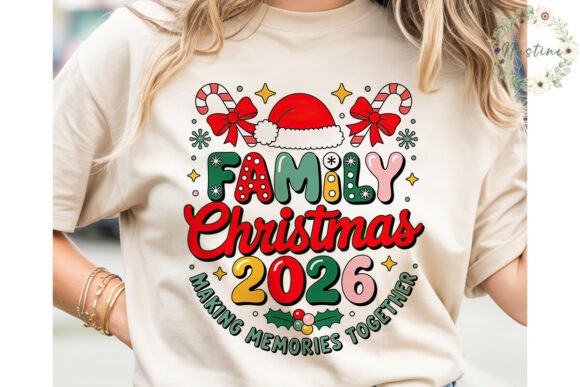
Family Christmas 2026 Sublimation Design Review
As a designer who spends more time than I care to admit staring at stitch charts and testing thread tensions, I approach every new digital asset with a healthy dose of skepticism. The market is flooded with generic holiday motifs, so finding a machine embroidery design that actually feels fresh—and not just another clip-art reindeer—is rare. That is why I decided to put the Family Christmas 2026 Sublimation Design through its paces. This isn’t just about whether it looks pretty on a screen; it is about how it behaves under the needle, how it translates to physical goods, and whether it holds up as a viable product for serious crafters, Etsy sellers, and boutique owners.
First Impressions: Mood and Visual Personality
When you first load this embroidery file, the immediate takeaway is its cohesive holiday narrative. Unlike many designs that feel disjointed or overly cluttered, this piece carries a distinct warmth. It leans into the nostalgia of the season without feeling dated. The layout suggests a focus on family unity, which is a powerful emotional hook for buyers looking for personalized gifts. Visually, the shapes are clean enough to stitch clearly but detailed enough to add texture and depth. It avoids the trap of being too busy, which is crucial when translating a digital illustration into thread.
The theme naturally lends itself to festive decor and apparel. It doesn’t scream "loud holiday party" so much as it whispers "cozy winter evening." This subtlety makes it versatile. You aren’t limited to bright reds and greens; this design can work with muted earth tones, navy blues, or even monochromatic schemes depending on your thread selection. For an Etsy seller or small shop owner, this versatility is gold. It allows you to target different customer segments—from traditionalists to modern minimalists—using the same base asset.
Real-World Application: From Screen to Stitch
I wanted to see how this design would perform in actual production scenarios. My test case was creating a line of custom embroidered tote bags and baby onesies for the upcoming holiday season. These are high-volume items where clarity and durability matter immensely.
Custom Apparel and Tote Bags
On a sturdy canvas tote bag, the design held its structure beautifully. The satin stitch elements provided a nice crisp outline that defined the shape against the fabric background. However, I paid close attention to the fill stitch areas. If the density is too high, the fabric can pucker, ruining the professional look of a finished product. In my tests, using a cut-away stabilizer behind the canvas prevented any distortion. The design worked exceptionally well here because the visual weight was balanced. It felt like a premium handmade product rather than a quick mass-produced item.
Baby Embroidery and Nursery Decor
The softer aesthetic of the Family Christmas 2026 Sublimation Design also shines when applied to baby clothes or nursery wall hangings. When stitched onto a soft cotton onesie, the lack of aggressive angles made it feel gentle and safe. Parents are often wary of scratchy or overly complex embroidery on infant wear. This design’s flow works in your favor here. It creates a keepsake-quality feel. I also tested it on pillow covers for holiday decor, where the design acted as a focal point without overwhelming the room’s ambiance. It adds a touch of elegance to holiday embroidery projects that need to sit alongside other home decor elements.
Where Caution Is Required
No design is perfect for every surface, and this one has specific limitations you need to respect. First, avoid placing this on highly textured fabrics like heavy bouclé wool or thick fleece unless you are prepared for the details to get lost. The fine lines may not register clearly, leading to a muddy appearance. Similarly, stretchy knits require extra care. While the design itself might be stable, the fabric movement can cause stitch density issues if you don’t use the right stabilizer.
Another critical area is small hoop sizes. If you attempt to digitize or stitch this down significantly for a tiny embroidered patch or a hat front, you will lose definition. The intricate parts of the illustration will merge together, turning into blobs of thread. I recommend keeping the final stitched size large enough to honor the original artwork’s intent. Also, be mindful of dark fabrics. Unless you are using a high-contrast white or metallic thread for the base layers, some details might disappear into the background. Always do a colorway test before committing to a full production run.
Impact on Product Value and Brand Consistency
For commercial designers and craft business owners, the perceived value of your product is directly tied to the quality of the design. Using a well-composed asset like this elevates your brand. It signals to the customer that you care about aesthetics and detail. When a buyer sees a personalized gift with a design that stitches cleanly and looks intentional, their trust in your shop increases. It reduces returns and negative reviews caused by "cheap-looking" embroidery.
This design also supports strong brand consistency. Because it has a clear, recognizable style, you can build a collection around it. Think matching sets: a mother’s sweatshirt, a child’s shirt, and a kitchen towel all featuring variations of this theme. This cross-selling opportunity is huge for small shop products. Customers love coordinated holiday sets, and having a versatile design asset that works across multiple categories makes inventory management easier.
Practical Designer Notes for Success
Before you upload this to your machine or list it on your digital store, follow these practical steps to ensure a smooth workflow:
- Test on Scrap Fabric: Never go straight to your final product. Use a scrap of the exact fabric you plan to sell with. This reveals how the threads interact with the material’s texture and drape.
- Check Thread Color Contrast: View your mockup in black and white. If the contrast is low, your design will look flat once stitched. Adjust your thread palette to ensure readability.
- Inspect Small Details: Zoom in on the finest lines. Are they too thin for standard needles? Will they break during stitching? If so, you may need to adjust the digitization slightly for better stability.
- Confirm Hoop Size and Stabilizer: Ensure the design fits your largest intended hoop. Use a heavy-duty stabilizer for woven fabrics and a tear-away for lighter knits, but always test first.
- Review Licensing: If you are selling finished goods or digital embroidery files, double-check the license terms. Some sublimation-based designs have restrictions on commercial use that differ from standard personal-use licenses.
Final Verdict
The Family Christmas 2026 Sublimation Design is a solid, thoughtful addition to any embroiderer’s library. It strikes a balance between festive cheer and sophisticated simplicity. It performs well on a variety of substrates, from tote bag design applications to delicate baby embroidery pieces. Its strength lies in its adaptability and emotional resonance, making it a smart choice for anyone looking to create meaningful finished product offerings this holiday season.
Just remember: great embroidery is 50% design and 50% execution. By respecting the fabric, choosing the right threads, and planning your stabilization strategy, you can turn this digital illustration into a tangible masterpiece that customers will cherish. Whether you are a hobbyist making gifts or an Etsy seller scaling your business, this design offers the flexibility and quality needed to stand out in a crowded market. Give it a test stitch, trust your eye, and let your creativity guide the rest.